Guide / Faults - Cycle failures
Automatic litter box will not cycle: work the fault ladder before you call support
Research updated November 10, 2026 / Clean Litter Lab notes
A box that will not cycle is usually not broken. Across brands, the same handful of causes produce the same symptoms: a sensor that cannot see, litter above the line confusing the weight reading, a pinch switch held open by debris, or a machine sitting on carpet it was told not to sit on. Manufacturers' own troubleshooting videos - two from Whisker are embedded below - walk the same ladder this page does.
Work the steps in order and note what changes. Support lines will ask you exactly these questions, and arriving with the answers is the difference between a five-minute fix and a warranty shipment.
Disclosure: links on this page are Amazon affiliate links. If you buy through them, Clean Litter Lab earns a commission at no extra cost to you. Picks are never sold or sponsored. How that works.
Where a cycle can stop
STEP 1
Cat enters, weight sensor logs the visit
STEP 2
Cat leaves, presence sensor confirms exit
STEP 3
Countdown runs (delay is a safety feature)
STEP 4
Globe or drum rotates, clean litter is sifted
STEP 5
Waste drops into a sealed drawer below
STEP 6
Sensors confirm a level litter bed
Every automatic box follows this sequence. Most faults trace back to one step being interrupted - usually step 2 or step 3.
The fault ladder
- 1Read the exact signal firstA flashing pattern or app error name is data. Photograph it. 'Cat sensor fault', 'pinch detected' and 'drawer full' point at three different systems, and generic power-cycling throws the evidence away.
- 2Check the floor and the wallsWeight-sensing boxes need hard, level floor and, on the Litter-Robot line, clearance from walls. A globe nudged against a skirting board leans on it and reads phantom weight, refusing to cycle or cycling forever. Pull the unit fully clear and retest.
- 3Check litter level against the fill lineOverfilled litter reads as a cat that never leaves; underfilled litter fails to trigger weight changes. Both stall cycles. Level to the marked line with the litter type the manual specifies.
- 4Clean the sensors you can reachPresence and curtain sensors cloud with litter dust. A dry microfibre wipe on the sensor lenses - locations are in every brand's manual and in the videos below - resolves a large share of mid-cycle stops.
- 5Empty and reseat the waste drawerA drawer that is genuinely full, or seated a few millimetres out, blocks cycles on most designs. Remove it, empty it, slide it home firmly, and clear litter from the drawer rails.
- 6Clear the pinch zoneClumped litter or a toy in the mechanism's path holds the anti-pinch switch open by design. Power off, inspect the rotation path and the entrance pinch points, remove debris, power on and run a manual cycle while you watch.
- 7Reset in the manufacturer's orderMost brands specify a sequence - for the Litter-Robot it is a defined button combination after emptying the drawer. Do the documented reset, not a random unplug, so the machine relearns its empty weight and drawer state.
Watch: manufacturer troubleshooting for cycle faults
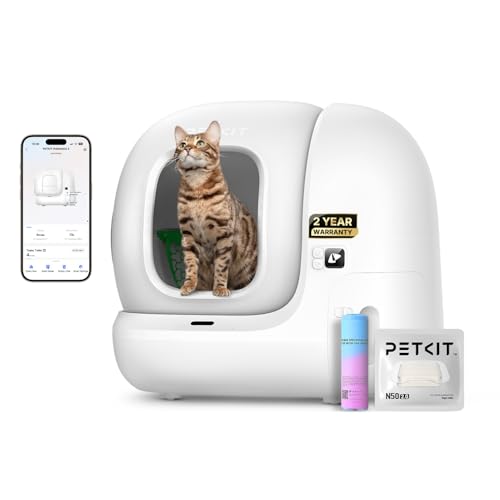
The two machines these faults are reported on most

Questions owners actually ask
Why does my box start a cycle and stop halfway?
The classic cause is the presence sensor re-triggering - dust on the lens, a cat returning to investigate, or sunlight hitting an infrared sensor at a bad angle. Clean the lenses and note whether the stop time correlates with sun on the unit.
Is it safe to run a manual cycle with the cat in the room?
Yes, that is what manual mode is for, and watching one full cycle is the best diagnostic you own. Keep hands out of the mechanism and let the pinch system do its job if the cat approaches.
The app says the box is fine but it never cycles. What gives?
Check that automatic mode is actually on - a surprising share of 'faults' are a box left in sleep or manual mode after setup or a power cut. Then check the cycle delay setting.
How often do sensors need cleaning?
Monthly with the deep clean rhythm works for most homes. Dusty litter or a box near a litter-scatter zone may need the lenses wiped fortnightly.
When is it a warranty problem?
When the ladder is done, the error is identical on a hard floor with correct litter and clean sensors, and it repeats across resets. At that point you have the evidence support needs - lead with it.
Can a power cut corrupt the cycle settings?
It can reset modes on some models. After any outage, verify automatic mode and delay in the app before assuming a fault.
Spotted something out of date? The lab corrects the record in the open - see the contact and corrections page.