Standard / Safety protocol v1
The Clean Litter Lab safety standard: prove the cat is clear, or do not get listed as a pick
Research updated November 10, 2026 / Clean Litter Lab notes
Automatic litter boxes have one real hazard, and it is not odor. A rotating drum or globe that starts moving while a cat is inside, or that can trap a cat against a fixed edge, is a danger that marketing language tends to blur. In 2024, widely reported incidents involving cheap enclosed boxes with weak sensing made the risk concrete for the whole category.
This page is the filter every recommendation on this site passes through. It is written so you can apply it to any box, including boxes we have never covered.
The six requirements
- Presence sensing before movement: the box must detect a cat inside or entering through sensors it names (weight, infrared, radar, camera), not a timer alone
- Pinch protection: a documented anti-pinch structure or switch that stops and reverses or halts the moving part on contact
- An always-open escape where possible: open-top designs, or enclosed designs whose entrance never closes during a cycle, score highest
- A published minimum cat weight for automatic mode, with a manual or kitten mode below it
- Sensors that fail safe: a dirty or blocked sensor should stop the cycle, not skip the check
- Evidence in writing: the manufacturer documents the system in the listing or manual in enough detail to be checked, not just the words 'safe design'
How the current catalog scores
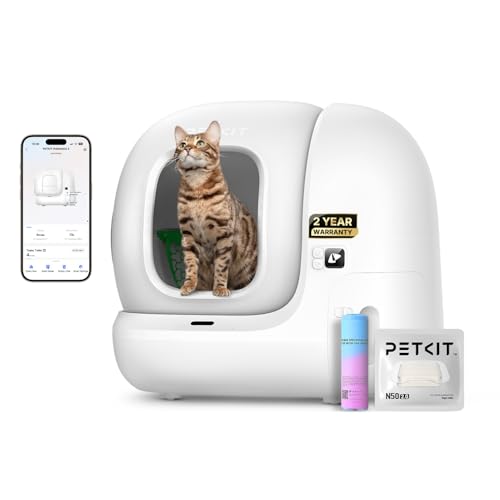
Open-top designs pass by geometry: the Neakasa M1 Plus, CATLINK Open-X, MeoWant 75L and PETLIBRO Luma cannot enclose a cat at all, and each adds sensor layers on top. Enclosed designs pass on documentation: the Litter-Robot 4 and EVO, the PETKIT pair, Leo's Loo Too and the PetCove PurrTek all name their sensor systems and pinch behavior in checkable detail. The PetSafe ScoopFree trays pass by mechanism, since nothing rotates and nothing encloses.
One verified product does not pass. The Cumrige 95L is a real, live Amazon listing with a big drum at a low price, but its listing asserts safety without documenting a pinch system or sensor specification we can check. It stays in our catalog records, out of our picks, and the budget best-of page shows the reasoning rather than quietly omitting it.
Lab note
The two-minute version for any box you are considering
Find the manual before you buy. If it does not tell you the minimum cat weight for automatic mode, what sensors watch the entrance, and what happens when something touches the moving part mid-cycle, treat that silence as the answer. Every pick on this site can answer all three questions from its own documentation.
What this standard is not
It is not a certification and we are not a testing laboratory. It is a documented-evidence standard: we check that a safety system exists on paper, is described specifically, and is consistent with what owners report in practice. A box can pass our standard and still fail mechanically; that is why the owner-report sections exist beside it. If a manufacturer documents a system we marked as missing, we will update the record, and the contact page explains how to reach us.
Two routes through the standard: sensing and geometry

Spotted something out of date? The lab corrects the record in the open - see the contact and corrections page.