Guide / Behaviour - Transition
My cat refuses the automatic litter box: a two-week transition plan
Research updated November 10, 2026 / Clean Litter Lab notes
A refused automatic litter box feels like an expensive insult, but refusal is information, not defiance. Cats toilet where they feel safe, and a new machine changes three things at once: the smell, the geometry and the soundscape of the most vulnerable moment of their day. Change them one at a time and most refusals unwind within two weeks.
This plan is compiled from manufacturer acclimation guidance - Whisker publishes two official videos on exactly this problem, embedded below - and the patterns in owner reports. It assumes the box is clean, correctly assembled and running in manual mode. If your cat is toileting outside any box suddenly, that is a vet visit first: pain and urinary problems present as litter box avoidance.
Disclosure: links on this page are Amazon affiliate links. If you buy through them, Clean Litter Lab earns a commission at no extra cost to you. Picks are never sold or sponsored. How that works.
The transition plan, day by day
- 1Days 1-3: park it, powered offPlace the new box beside the old tray, unplugged. Let the cat investigate a silent object. Fill it with the litter it already knows, plus a scoop of used litter from the old tray - familiar scent is the strongest invitation a cat understands.
- 2Days 4-6: stop cleaning the old tray as oftenKeep the old tray usable but let it get slightly less pristine, while the new box stays clean. Cats choose the cleaner option when both are acceptable. Never let the old tray become disgusting - the goal is preference, not desperation.
- 3Days 7-9: power on, manual cycles onlyPlug in and run cycles by hand while the cat is in another room and can hear the sound at a distance. Automatic mode stays off. Treats near - not in - the box rebuild the association: this object predicts good things.
- 4Days 10-12: first automatic cyclesEnable automatic mode with the longest delay the app offers. The delay exists so the cat is long gone before anything moves. Watch the first days via the app log rather than hovering, since hovering is itself a change in the room.
- 5Day 13-14: retire the old trayOnce the log shows consistent use for three days, remove the old tray. Keep it in a cupboard for a fortnight - a regression is a step back in the plan, not a failure of the cat.
Watch: the manufacturer's own acclimation method
The two designs refused cats accept most

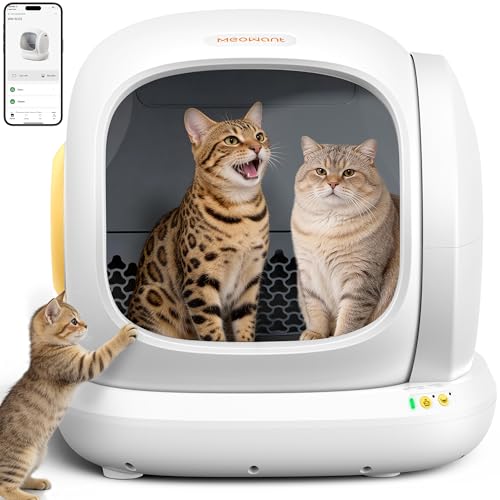
When the design is the problem
Some cats will not enter an enclosed space to toilet, full stop - often cats with a history of being ambushed by another pet in a covered box. No transition plan fixes geometry. The tell is a cat that uses the new box happily when the hood or door is removed, or that perches half-in. That cat needs an open-top design, and the honest move is to exchange while the return window is open rather than wage a month-long campaign. Our open-top list exists for this household.
Refusal diagnosis flow
- 1Does your cat bolt from enclosed spaces?
- 2Yes → open-top or open-tray designs only
- 3No → enclosed globe or drum is on the table
- 4Multiple cats? → waste capacity becomes the deciding spec
- 5Small flat? → footprint and odor sealing outrank app features
Work down the flow in order. The first question eliminates whole design families, which is why it comes before brand names.
Questions owners actually ask
How long should a transition take?
Most cats settle in three to fourteen days. Kittens are usually fastest. A cat still refusing at three weeks with the plan followed honestly is telling you the design is wrong for it.
Should I put treats inside the box?
Near it, not in the litter. Food and toilet associations should stay separate in a cat's map of the room.
My cat uses it but stopped when it cycled once nearby. Now what?
Go back two steps in the plan: manual cycles only, longer delay, and let confidence rebuild. One startle is recoverable; repeated startles are what create permanent refusals.
Can I force the issue by removing the old box on day one?
You can, and it is the most common cause of the failure stories in owner forums. Some cats comply, others toilet on the bath mat and learn that association instead. The two-week plan exists because the shortcut keeps backfiring.
Does catnip or attractant litter help?
Attractant litters and pheromone wipes near the entrance help some cats over the first investigation hurdle. They are seasoning, not the meal: placement and patience do the real work.
Two cats, one refuses and one loves it. What then?
Keep a traditional tray for the refuser while the plan runs for them specifically. Multi-cat homes should end with every cat on the machine or accept a permanent second tray - both outcomes are fine.
Spotted something out of date? The lab corrects the record in the open - see the contact and corrections page.